
Podiatry billing is uniquely complicated

Routine foot care rules are strict

Medicare and most payers cover routine nail and callus care only under specific systemic conditions. The wrong Q-modifier or missing diagnosis means an instant denial.

Surgical and DME billing overlap

Procedures, casts, orthotics, and DME each follow different coverage rules. Cross-walking CPT, HCPCS, and L-codes accurately is where revenue gets lost.

LCDs vary by region

Local Coverage Determinations for foot care, wound debridement, and DME differ by MAC jurisdiction, and they change. Keeping up is its own job.

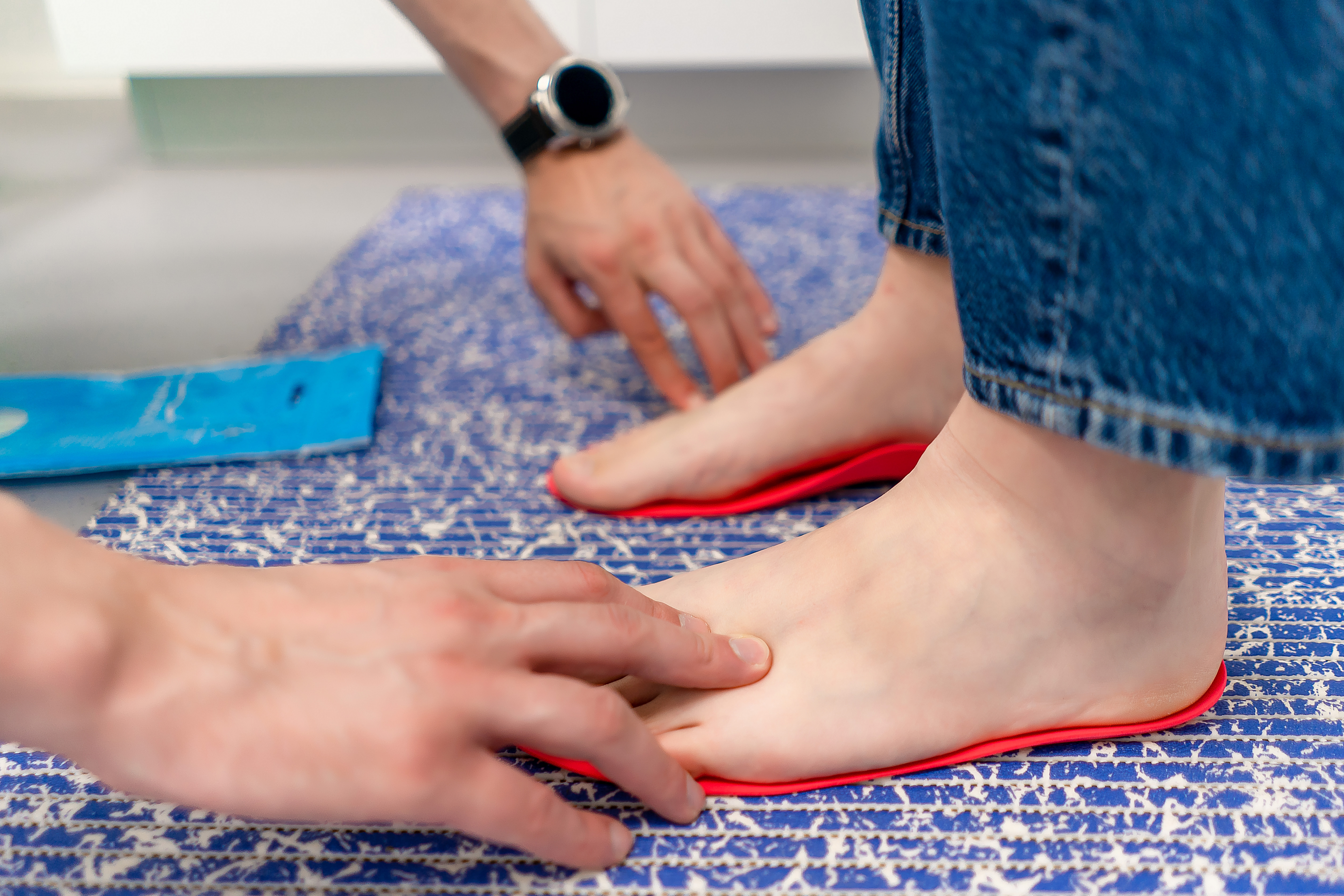
Podiatrist examining a patient's foot

At the chair

Documentation in. Clean claim out.

Refract's AI reads your encounter notes the moment they're signed, pairing class findings, Q-modifiers, and LCD-aligned diagnoses before a claim is ever scrubbed. The chair side stays focused on the patient.
How Refract helps podiatry practices

Claims

Modifier and Q-code logic, automated

Refract applies podiatry-specific scrubbing (class findings, Q7/Q8/Q9 modifiers, and LCD-aligned diagnosis pairing) before claims leave your practice.

Eligibility

Coverage checks for routine and surgical care

Verify benefits in real time, including DME coverage, surgical authorizations, and routine foot care eligibility under systemic disease policies.

Payments

Underpayments on procedures, surfaced

ERAs are auto-posted and every line item is checked against your contracted rates, catching underpaid debridements, casts, and orthotics that typically slip through.

Podiatrist consulting with a patient

After the visit

Posting, follow-up, and appeals — handled.

ERAs are auto-posted, underpaid debridements and DME line items are flagged against your contracted rates, and denials get worked the same day. You see the recovered revenue without lifting a pen.

Built for podiatry practices of every size

From solo practitioners to multi-provider foot and ankle groups, Refract scales to handle the billing complexity of your specialty.

Get in Touch